
Aydın irrigation with solar panels: practical steps and options
A clear, practical look at adding solar-powered irrigation: how it works, potential setups, common pitfalls, and tips for readers evaluating a solar-assisted wa

Readers want reliable guidance on combining irrigation with solar power. This piece explains the core idea, the practical steps to assess feasibility, and the main choices you’ll face. It stays grounded in real-world considerations like costs, reliability, and local conditions.
A solar-powered irrigation approach is not a one-size-fits-all fix. We outline how to map your water needs to available solar resources, how to size equipment, and how to anticipate maintenance. The goal is to equip readers with a clear framework for decision-making, not hype.
By focusing on concrete steps and cautions, the article helps readers decide whether a solar-assisted system fits their field, climate, and budget. It also points to practical resources for next steps and professional consultation.
- Solar-powered irrigation can work where sunlight aligns with water needs, but it requires careful sizing and planning.
- Assess your site’s sun profile, water demand, and crop schedule to determine feasibility.
- Choose between grid-connected or off-grid options based on reliability, cost, and maintenance expectations.
- Use a staged approach: start with a pilot, then scale up with professional input and a clear maintenance plan.
Basics of solar irrigation
What solar irrigation does
Solar irrigation uses photovoltaic panels to power pumps that move water for crops. It can reduce reliance on grid electricity and provide flexibility for remote sites. Most systems combine panels, a pump, wiring, and a controller to manage when the pump runs. Aydın sulama sistemi güneş paneli teklifi
- Overestimating sun exposure
- Underestimating water demand
- Ignoring pump efficiency
bulletsActionsList1
- Evaluate daily water needs
- Check available sun hours
- Assess pump compatibility
- Consider battery storage if needed
- Plan for maintenance
Key components and setup
A typical setup includes PV panels, a DC or AC pump, a controller, filters, and sometimes a storage tank. The choice of pump and controller affects efficiency and reliability. Proper wiring and grounding are essential for safety and longevity.
paragraphs3b
paragraphs4b
How to assess viability
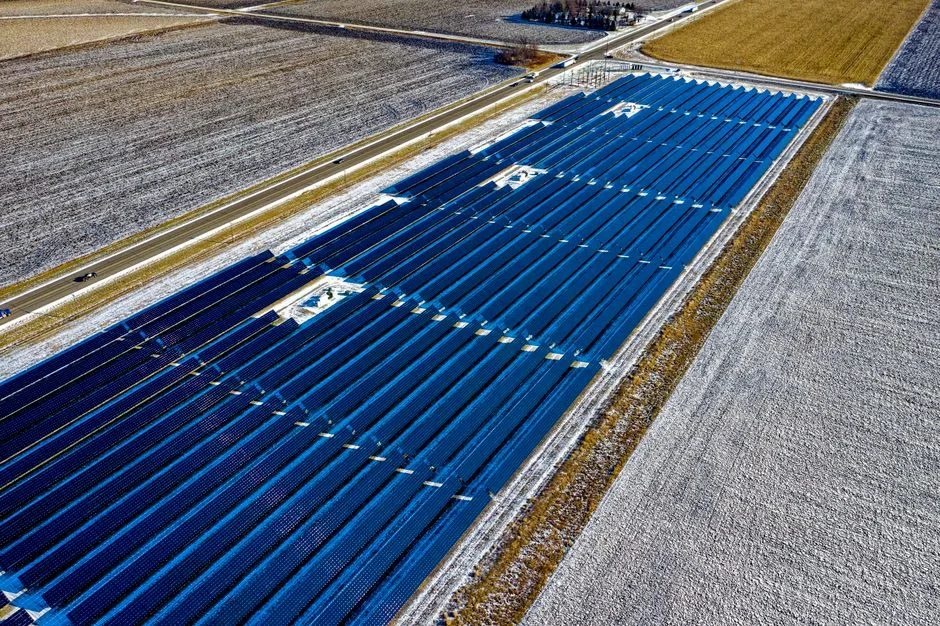
Assess water and energy needs
Document crop water requirements and peak irrigation times. Compare these to the expected solar generation profile for your site. This helps determine if a solar-only setup is feasible or if hybrid power is better.
paragraph3
Sizing and configuration
System sizing involves aligning pump power with panel output and battery capacity. If sunlight varies, a larger array with an efficient pump reduces risk of insufficient watering. Consider насос compatibility and open- or close-coupled configurations based on site needs.
paragraph3
- Match pump curve to panel output
- Add storage if irrigation happens at night
- Account for inlet water pressure
- Plan for seasonal adjustments
Options and tradeoffs
Grid-tied vs off-grid
Grid-tied systems can draw from the electricity grid when solar is insufficient, reducing storage needs. Off-grid systems run independently, which can be more reliable in outages but requires storage and larger arrays. Your choice hinges on grid reliability and costs.
- ☐ Choosing off-grid to avoid grid fees without storage
- ☐ Underestimating storage needs
- ☐ Overlooking maintenance requirements
paragraph3
- Grid reliability
- Storage costs
- Maintenance burden
| Option | Pros | Cons |
|---|---|---|
| Grid-tied | Lower storage needs | Dependent on grid stability |
| Off-grid | Independence from grid | Higher upfront and storage costs |
| Hybrid | Balanced reliability | Complexity and cost |
Hybrid options and storage
Hybrid systems pair solar with another energy source or battery storage. Batteries smooth irrigation demand but add cost and replacement cycles. Storage decisions depend on watering schedule and local weather patterns.
paragraph3
- Evaluate daily watering window
- Estimate battery life
- Plan for temperature impacts
- Consider controller features
Pitfalls and safeguards

Common operational risks
Poor water source quality can corrode pumps and filters. Inconsistent irrigation timing can stress crops. Regular maintenance and monitoring help catch issues early and protect investment.
paragraph3
- Check water quality
- Schedule routine inspections
- Use appropriate filtration
- Test pump performance periodically
Regulatory and safety notes
Local permits may be required for water use or electrical installations. Follow electrical codes and manufacturer guidelines to prevent hazards. Documentation helps with inspections and future upgrades.
paragraph3
- Know local rules
- Keep installation records
- Adhere to safety standards
- Plan for future expansions
Begin with a clear budget that includes equipment, installation, and potential grid connection fees.
Cost considerations and funding
Economic upfront planning
Begin with a clear budget that includes equipment, installation, and potential grid connection fees. Compare solar pump costs against traditional diesel or grid-powered systems to understand long-term savings. Build a simple cash-flow forecast to anticipate maintenance and replacement needs over the system’s life.
- Define project goals and water needs
- List required components and likely prices
- Assess financing options and subsidies
- Set a realistic installation timeline
This section helps readers decide if solar irrigation fits their farm or facility within their financial means. It also highlights the importance of evaluating loan options, incentives, and payback periods before committing to a project.
When you gather concrete numbers, you can identify the most cost-effective configuration. Consider whether excess electricity could power other equipment to improve overall value.
- Estimate total cost of a solar pump and controller
- Factor mounting and electrical work into the budget
- Assess potential subsidies or grants
- Project maintenance costs over time
- Plan cash flow for the system’s life
Maintenance and monitoring
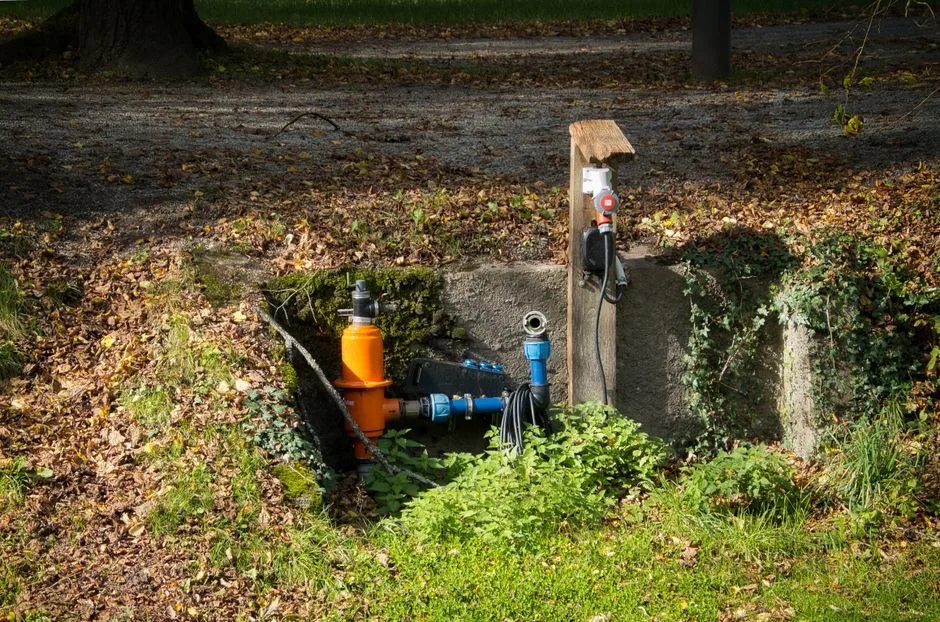
Regular checkups and care
Schedule routine inspections of panels, wiring, and pumps to catch wear before it fails. Clean dust and debris from panels to maintain efficiency, and test the pump’s pressure and flow to ensure it meets irrigation needs. Keep spare parts and basic tools on hand for quick fixes.
- Regular checks prevent costly downtime
- Keep equipment accessible and well labeled
- Document performance for trend analysis
Monitoring should track system performance and water usage. Use a simple dashboard or log to compare expected vs actual output after weather events or seasonal changes. Document any faults and the time taken to resolve them.
Develop a maintenance calendar that aligns with growing cycles and weather patterns. This approach minimizes downtime during peak irrigation periods.
- Schedule biannual inspector check
- Clean panels quarterly
- Record flow and pressure readings
- Keep spare parts in stock
- Backup power plan for outages
Legal and policy context
Regulatory basics for irrigation
Irrigation projects intersect with water rights, land use, and environmental rules. Understanding local licensing, water quotas, and permit requirements helps avoid post-installation delays. Compliance can also influence access to subsidies and favorable tariffs.
Policy frameworks may change, so track regional announcements on renewable energy incentives and water management goals. Engage with local authorities early to align the project with planned infrastructure. This reduces the risk of unexpected regulatory hurdles.
Consult a local advisor to confirm whether environmental assessments or impact statements apply to your site. Clear documentation supports smoother approvals and compliance.
- Identify water rights status
- Check permits and reporting needs
- Review electricity and land-use laws
- Monitor changes to renewable incentives
- Coordinate with local authorities
Futureproofing your system
Scalability and resilience
Design the system with future needs in mind, allowing for larger pump capacity or expanded irrigation zones. Choose modular controllers and compatible components to simplify upgrades. Build in redundancy where water supply or power reliability is a concern.
Plan for climate variability by using weather data to size storage and battery options, if relevant. Consider hybrid approaches that can switch between solar and grid power during extended cloudy periods. This minimizes downtime and maintains irrigation schedules.
Document upgrade pathways and cost estimates so stakeholders can review options when funding becomes available. A clear roadmap helps prevent premature obsolescence and keeps the system flexible.
- Use modular components
- Plan for upgrade paths
- Incorporate energy storage if needed
- Consider hybrid setups
- Update maintenance records regularly
Frequently asked questions
Can solar irrigation work in cloudy climates?Yes. Solar pumps can operate with reduced output during cloudy periods, and storage or larger arrays help maintain irrigation. The system is sized to accommodate typical weather patterns and crop needs, with seasonal adjustments as necessary.
How do I determine system size for my field?Start by listing crop water requirements, irrigation timing, and field area. Then choose a pump and controller that meet those needs with some margin for peak demand. A local installer can translate these numbers into electrical load and panel count.
Are there grants or subsidies available?Yes, incentives exist in many regions for renewable energy and efficient irrigation. Eligibility depends on location, project scope, and compliance with reporting rules. An initial check with local authorities helps clarify options.
What maintenance should I plan for?Routine checks on panels, wiring, and the pump are essential. Keep spare parts, clean inputs after dust events, and log performance data to catch trends early. A simple calendar keeps maintenance predictable.
Conclusion
A solar irrigation system can deliver reliable water supply while reducing energy dependence when it is sized, installed, and maintained with discipline. Start with a concrete pilot and scale only after validating assumptions in real conditions. This cautious approach helps manage risk and demonstrate value to stakeholders.
Readers who plan ahead—defining goals, budgets, and maintenance routines—will be better positioned to adapt to policy shifts and climate variability. The next practical step is to map a minimal pilot area, list required components, and set a two-month monitoring plan to collect usable data.
You may also find Bozdoğan ev için güneş paneli kurulumu: helpful as it covers related aspects of this subject.
Readers interested in this subject may also want to explore A Practical Buyer’s Guide to Solar-Irrigated for additional perspectives.
If you enjoyed this article, we recommend checking out Büyük Menderes Ovası solar irrigation: practical, for further reading.
Add Dudley 24 as a preferred source on Google


