
How Lifestyle Guides Help Readers Stay Informed on London Headlines
A practical explainer for readers on why lifestyle guides appear in London headlines, how to use them, and where to find reliable, timely advice.

Readers often wonder what value lifestyle guides add to a news site. This explainer shows how practical guides can help readers make sense of everyday life in the capital, from leisure decisions to safety tips. It also clarifies how these guides relate to breaking news and ongoing reporting.
Lifestyle coverage on a news site should be concise, reliable and clearly sourced. Here we outline what a lifestyle guide covers, why it matters to readers, and how to use it alongside traditional reporting.
The article maps eight H2 sections, beginning with the basics and moving toward concrete options, common pitfalls and practical tips. It stays focused on what readers need to know to navigate London life with confidence.
- Lifestyle guides translate news into practical steps for city life. They help readers plan, compare, and decide with clearer criteria. Use trusted sources and verify key details. Expect updates as the city changes.
- This explainer shows how to assess reliability, where to find guides, and how to balance guidance with personal needs. It covers basics, evaluation, and contextual use for daily decisions.
- Readers will learn where to look for guides, how to judge their quality, and why timely updates matter for accuracy and usefulness.
- The goal is a reader-friendly approach that supports informed choices without overreliance on a single source.
Basics of lifestyle guides on London headlines
What they cover broadly
Lifestyle guides distill practical information from broader reporting. They help readers plan outings, compare services, and assess safety or accessibility. For example, a guide might explain how to choose family-friendly venues near public transport. Lifestyle guides on London Headlines provide actionable context for readers seeking practical city information.
They don’t replace news, but they complement it by translating headlines into usable steps for daily decisions. This makes the site more helpful when readers face choices about where to go and what to do in the city.
These guides are built from reliable sources, with clear steps and caveats noted where appropriate.
- Identify a clear goal (where to go, what to do)
- Check real-world constraints (cost, accessibility)
- Look for timeliness and updates
- Note safety or policy considerations
- Seek practical examples
Why readers should use them
Guides translate abstract data into action, helping readers decide on events, venues, and services. They also offer quick comparisons so readers don’t spend hours researching. This is especially useful when there’s conflicting information.
Readers benefit from a concise summary of pros and cons, plus practical cautions like accessibility limits or cancellation policies.
Over time, regular use of guides builds familiarity with trusted sources and typical city layouts.
- Save time by focusing on practical checks
- Use warnings about accessibility and hours
- Favor guides with recent updates
- Compare several options before deciding
- Keep a note of trusted sources
How to assess a lifestyle guide

Key reliability cues
Evaluate the evidence the guide cites: dates, locations, and official statements. A clear publication date is a sign of freshness. Test the recommendations against recent local reports. London Kings Cross guide offers specific, current advice for planning and navigating the area.
Look for transparency about sources and a clear method: are recommendations weighted by user feedback, expert input, or testing? A transparent approach boosts trust.
Check for updates if the city scene changes, such as new transport routes or policy shifts that affect recommendations.
- Look for dates and sources
- Prefer guides with a stated method
- Note any caveats or limitations
- Check update frequency
- Avoid guides that blur marketing and information
Where to find trustworthy guides
Trusted guides often live on well-established local news or city information sites. They should offer clear sections, not a single answer to every question. If a guide links to third-party sources, verify those references.
Cross-check with other local outlets to confirm consistency, especially on time-sensitive details like event times or transport changes.
Save links to a bookmarks folder for quick reference when planning a night out or a family day.
- Choose sites with editorial standards
- Prefer guides that separate opinion from fact
- Verify critical details with a second source
- Keep a short list of reliable guides
Why these guides matter for locals
Impact on daily decisions
Guides shorten the time between a decision and action. A quick read about a museum’s family facilities can influence a weekend plan. Readers get practical clarity when headlines feel vague. London Headlines entertainment news links to lifestyle content that helps readers understand how pop culture events intersect with daily life.
They also empower readers to notice safety, access issues, or policy changes that affect routine choices, such as travel routes or available services.
In busy city life, actionable guidance helps readers avoid wasted trips or unsafe options.
- Faster planning
- Better safety awareness
- More informed choices
- Reduced confusion
| Option | Pros | Cons |
|---|---|---|
| Traditional guide | Clear structure and time-tested format | May lack recent updates |
| Online hub | Comprehensive and searchable | Quality varies by source |
| Local council pages | Authoritative policy context | Less user-friendly design |
Limitations to watch
No guide covers every preference. They may overemphasise popularity or omit niche interests. Readers should balance guide advice with personal needs.
Guides can lag when circumstances shift quickly, such as a venue changing hours or new crowd patterns.
Always verify critical details directly with the venue or service before committing.
- Not all venues are listed
- Timeliness varies
- Personal needs may differ
- Direct verification helps
The article explains how lifestyle guides adapt to different mobility needs, noting which venues include ramps, elevators, or step-free access.
Safety and accessibility options
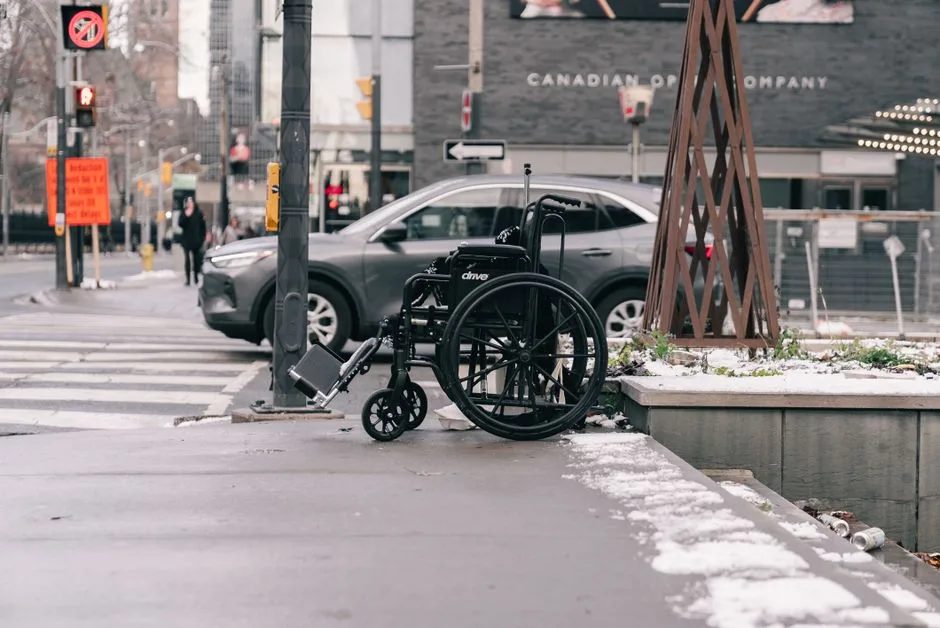
Accessible layouts for locals
The article explains how lifestyle guides adapt to different mobility needs, noting which venues include ramps, elevators, or step-free access. It emphasizes checking opening hours and seating arrangements before visiting popular sites. Readers learn to filter guides by accessibility to plan safer, more comfortable outings.
Consider starting with a map of nearby accessible venues to minimize surprise visits. The guide suggests calling ahead for confirmation of accessibility features. It also points to nearby transit options that reduce walking distances and fatigue for older readers.
Knowledge of accessibility can prevent wasted trips and foster inclusive choices. By prioritizing accessible routes, readers save time and gain confidence in their plans. The guide favors practical, on-the-ground details over generic statements.
A checklist approach helps readers verify accessibility features before departure, such as entry ramps, lift availability, and restroom accessibility.
- Check if venue has step-free entry
- Confirm lift/ramps are operational
- Note distance from nearest station
- Ask about reserved seating or quiet hours
- Look for wheel-chair friendly routes
Practical safety tips for events
Safety comes first when planning attendance at crowded events or late-night venues. Guides highlight risk factors, such as large crowds, uneven pavements, and weather-related hazards. They advise readers to carry essential items and share itineraries with a trusted contact.
The section suggests practical steps like arriving early, using official entrances, and staying in well-lit areas. It also notes the value of keeping a small personal safety kit and a digital copy of important information. The aim is to reduce stress and prevent avoidable issues.
Readers gain a calmer approach to events by focusing on preparation and quick decision points. Clear expectations help avoid last-minute cancellations and enable better weather contingencies. The guidance remains concrete and task-oriented.
A simple planning routine—checklists, buddy systems, and fallback options—keeps evenings predictable and safer for everyone involved.
- Arrive before crowds peak
- Use designated entry points
- Share your plan with a friend
- Keep essential items handy
- Know where to find help
Budget and value
Assessing cost before a visit
Readers learn how to compare prices for activities, meals, and transport using local guides. The emphasis is on realistic budgeting that accounts for common costs like service fees. The aim is to avoid surprise charges while maintaining a quality experience.
The guide demonstrates how to estimate total costs by listing expected expenses and adding a contingency. It provides examples of how to find cheaper alternatives without compromising safety or enjoyment. The method is practical and repeatable.
Keeping costs predictable reduces stress and helps readers decide which experiences are worth the money. The guidance prioritizes transparency and planning over impulse picks. The final goal is reliable budgeting that supports consistent local engagement.
A template helps readers track expenses after each outing, making future planning easier and more accurate.
- List entry fees
- Add transport costs
- Account for meals
- Include tips and contingencies
- Review discounts or passes
The section covers how to spot value beyond price, such as quality of experience, location advantages, and suitability for the season. It encourages balancing cheaper options with reliable, well-reviewed choices. Readers can stretch budgets without sacrificing safety or enjoyment.
The guide suggests anchoring options to a couple of preferred venues and comparing alternatives only when necessary. This minimizes decision fatigue and keeps plans realistic. The approach favors doing a few things well over many mediocre picks.
By framing value around practicality and reliability, readers avoid flashy but poor experiences. The guidance supports informed decisions through clear criteria and straightforward comparisons.
A brief worksheet helps readers rate options on accessibility, safety, and reliability, making trade-offs transparent.
- Prioritize reliability over novelty
- Compare 2-3 options per outing
- Check cancellation policies
- Look for clear refund terms
- Choose venues with consistent reviews
Seasonal planning

Planning around weather and seasons
Seasonal guides highlight how weather affects outdoor plans in London, with practical tips for rain, wind, and heat. Readers learn to choose venues with indoor alternatives and flexible schedules. The approach reduces disruption and preserves enjoyment.
The section offers a simple framework for choosing activities based on season, such as indoor options for winter and shaded outdoor spots for summer. It also notes that daylight hours influence scheduling. Readers gain clearer expectations and smoother outings.
The guidance emphasizes adaptability and preparing for common seasonal risks, like sudden showers or heatwaves. It encourages readers to carry essentials such as umbrellas or water and to have backup plans. The result is steadier experiences across the year.
A recurring reminder is to check seasonal closures and planned maintenance that may affect availability.
- Choose indoor options in poor weather
- Pack for sudden changes
- Adjust schedules to daylight
- Keep a short backup list
Technology and sharing tools
Using apps and calendars for updates
This section shows how to integrate city guides with calendar apps and notification services. It explains choosing sources that offer reliable updates and offline access in case of poor connectivity. The goal is timely, trustworthy information at a glance.
Readers learn to set alerts for venue changes, transport delays, and last-minute openings. The approach keeps plans current without constant checking. It also stresses respecting data usage and privacy when sharing itineraries.
The guide provides concrete steps for creating a basic plan template that adapts to daily changes. It highlights the importance of testing tools before a trip to avoid last-minute glitches. The emphasis is on practical, repeatable routines.
A note on digital literacy reminds readers to verify sources and avoid over-reliance on one app.
- Enable offline maps
- Set venue alerts
- Share only necessary details
- Test tools before use
- Respect privacy settings
This section explains how readers can use social features for crowd-sourced tips and recommendations, while maintaining source credibility. It covers moderating feedback and recognizing biased information. The emphasis is on balanced, verifiable inputs.
It also describes choosing formats that fit short attention spans, such as bite-sized updates or checklists. The goal is to encourage efficient sharing without clutter. Readers learn to filter noise and repeat reliable patterns.
The guidance stresses privacy and consent when posting experiences that involve other people. The recommendations prioritise transparency and respectful sharing. The outcome is more trustworthy, community-driven guidance.
A simple workflow helps readers decide when to post, what to share, and how to archive useful notes for future reference.
Frequently asked questions
Why should a news site publish lifestyle guides?For readers, practical guides provide context for current events and local life. They help map how city decisions affect everyday routines, such as where to go for shelter from rain or how to budget a weekend outing. The goal is useful, verifiable guidance that complements breaking news.
How should I use these guides when planning?Treat the guides as a starting point. Verify hours, access, and costs with the venue, and prepare a simple plan that includes a backup option. Focus on your priorities—accessibility, value, seasonal relevance—and adjust as needed.
Are the recommendations biased toward certain venues?The guides aim for balanced assessments, highlighting several options with different costs and accessibility levels. Readers should compare alternatives and consider what matters most to their plans, rather than chasing trends.
What if information changes after publication?Guides should be treated as time-sensitive resources. Cross-check critical details close to departure and look for updates from official sources or the venue itself to avoid surprises.
Closing thoughts
Readers can integrate lifestyle guidance into daily journalism by using it as a practical tool for city life, not as entertainment. The key is consistency: keep notes, compare options, and stay adaptable to changing conditions.
A clear next step is to draft a one-page plan for your next outing, listing priorities, two viable choices, and a contingency option. This keeps decisions grounded and repeatable.
If you enjoyed this article, we recommend checking out Read London news: Basında Londra için for further reading.
Add Dudley 24 as a preferred source on Google


