
How to buy and sell in crypto: clear, practical steps
A practical, newsroom‑style guide to buying and selling crypto. Explore basics, choosing platforms, safeguards, and common pitfalls with plain, concrete guidanc

Cryptocurrency trades work through online platforms, custodians and wallets. The reader will find a straightforward path to buying and selling crypto, with concrete steps and checks that reduce risk. This guide focuses on practical actions you can take today, framed for readers who want clear, verifiable processes.
The guide starts with fundamentals: what you are buying, and how custody works. It then moves to choosing a platform, verifying identities, and understanding fees. Readers will see real‑world steps and simple safeguards that apply regardless of market moves.
Finally, the text explains how to spot common mistakes and plan a sensible exit or transfer. It provides a practical workflow for beginners and a refresher for regular traders alike, without hype or unnecessary jargon.
- Start with clear asset types and custody choices.
- Choose platforms based on security, fees, and policy clarity.
- Protect funds with strong security and routine checks.
- Plan for taxes, records and future transfers from the outset.
Foundations of crypto buying and selling
What you are buying
Before you buy, identify the asset class: a coin, a token, or a staking product. Each has different risk profiles and liquidity. Decide how you will store it and how you will access it later, which affects security and costs. buy and sell in Dublin
- Know what you buy and how you hold it
- Choose storage with appropriate security
- Be aware of platform rules and fees
You should understand ownership, wallet types and private keys. This knowledge keeps control in your hands and reduces reliance on any single service. Start with a simple, auditable plan for what happens if a platform fails.
This section sets the groundwork for practical steps later, avoiding surprises when transfers or withdrawals occur. It also clarifies the distinction between custody options and self‑management.
- Choose a clear asset type
- Know where funds are stored
- Identify risk and liquidity
- Plan for recovery and access
Where crypto money moves
Crypto moves on the blockchain and through exchanges. The path you choose affects speed, fees and control. Transfers can take minutes or hours depending on network conditions and platform constraints.
Familiarize yourself with wallet addresses, two‑factor authentication, and withdrawal limits. These controls help prevent unauthorized transfers and give you a clear trail for audits or disputes.
Understanding the transfer path helps you plan deposits, trades and withdrawals, reducing surprises at critical moments. It also helps you compare platforms based on reliability rather than marketing claims.
- Understand blockchain moves
- Set up security measures
- Know withdrawal limits
- Plan deposit and withdrawal timing
Choosing a buying or selling platform

Selecting a platform
Compare platforms by security, fees, and liquidity. Look for reputable operators with clear terms and robust user support. Consider whether you prefer mobile apps or desktop access and how that fits your routine. Dublin news
Read the terms about withdrawals, chargebacks and dispute resolution. Clear policies reduce friction if something goes wrong. Compare verification steps and the time needed to complete them, which affects when you can trade.
Establish a short list of trusted options and test with small transfers first. This reduces risk while you learn the workflow and confirm platform behavior.
- Security posture
- Fee structure
- Withdrawal policy
- Verification speed
Understanding fees and limits
Fees impact your total return and the practicality of frequent trades. Look beyond headline rates to how fees are charged: per trade, spread, or withdrawal. A small discrepancy can add up with regular activity.
Check whether the platform uses fixed fees, percentage fees, or tiered pricing. If you trade often, a slightly lower rate on large volumes can matter more than a small introductory discount.
Keep an eye on withdrawal and deposit limits, especially if you plan to move funds between wallets or banks. Understanding limits helps you schedule moves without delays.
- Trade fees
- Withdrawal costs
- Tiered pricing
- Deposit limits
How to protect yourself and your funds
Security practices
Enable two‑factor authentication and consider hardware wallets for meaningful holdings. Separate storage from trading access to reduce the impact of compromised accounts. add an event to the Dublin events calendar
Use unique passwords and avoid reusing credentials across platforms. Regularly review connected apps and revoke access you no longer need. Automate alerts for unusual activity.
Keep software up to date and back up recovery phrases offline. These steps prevent common account takeovers and make recovery straightforward if devices fail.
- Two‑factor authentication
- Hardware wallets
- Unique passwords
- Device hygiene
| Method | Pros | Cons |
|---|---|---|
| Active trading | Potential profits with timing | Higher costs and risk |
| HODLing | Simplicity and long‑term view | Exposure to price swings over time |
| Limit orders | Controls price execution | May miss out on fast moves |
Common mistakes to avoid
Do not rush large trades during volatility; spread orders to reduce impact on prices and slippage. Plan trades when liquidity is clear and avoid chasing movements.
Avoid keeping large sums in exchange wallets; transfer to a private wallet or diversified storage. This reduces the risk of exchange outages or hacks.
Record every transfer and save receipts or confirmations for tax and auditing needs. A clear record helps with disputes and transparency.
- Avoid large impulse trades
- Don’t store main funds on exchange
- Keep transaction records
- Verify addresses before sending
This section clarifies what qualifies as taxable events and how to classify them for reporting.
How to manage crypto taxes and reporting
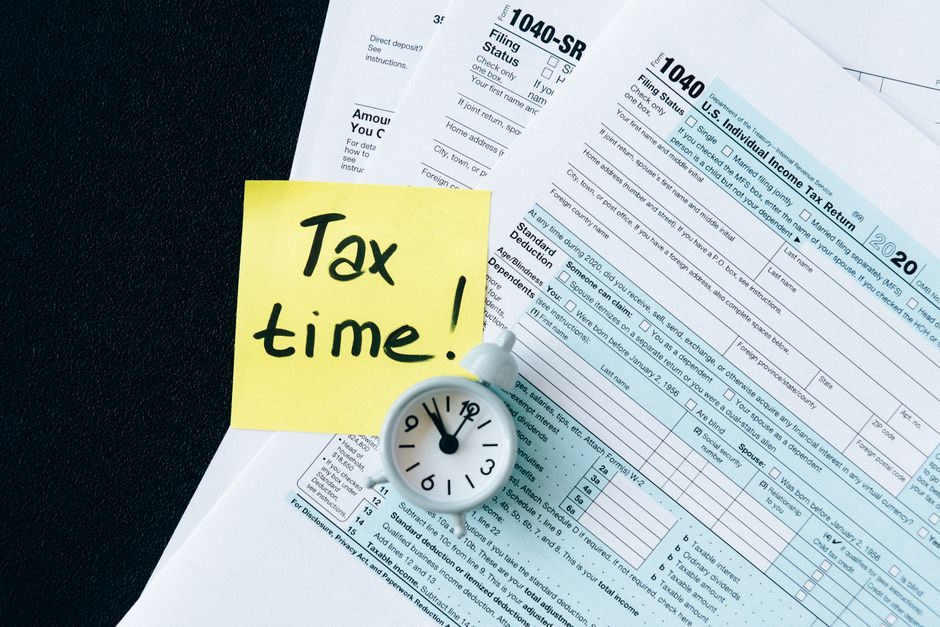
Tax obligations for traders
Tax rules for crypto vary by jurisdiction and activity. Track every trade, transfer, and receipt to determine gains or losses. Recording dates, values, and counterparty details helps simplify reporting during tax season. Dublin business listings
- ☐ Maintain a日ledger across exchanges and wallets to show movement
- ☐ Capture dates, amounts, and counterparties for every action
- ☐ Back up data securely and review monthly to stay current
This section clarifies what qualifies as taxable events and how to classify them for reporting. It also outlines common exemptions and the kinds of documentation tax authorities typically request.
Accurate records enable you to compute capital gains or losses accurately and defend your numbers if questioned by tax authorities. Start with a simple ledger and expand as activity grows.
- Keep a detailed trade log
- Separate personal and business activity
- Retain receipts and exchange statements
- Consult a local tax guide if unsure
- Use a reputable accounting method
Trading strategies for different goals
Short-term versus long-term goals
Define whether your aim is quick profits or longer-term growth. Short-term trading relies on market timing and tight risk controls, while long-term strategies focus on core holdings and gradual staking or yield. online obituaries in Dublin
- Define entry and exit rules before trading
- Use a fixed portion of capital per trade
- Record outcomes to learn from results
Align the plan with risk tolerance and capital. Use stop-loss orders to guard against sharp reversals, and avoid over-committing to a single asset. Regularly review targets as market conditions change.
Diversification across assets and time horizons reduces the impact of a single setback and supports steadier performance over time. Set clear exit criteria for each goal and stick to them.
- Set horizon-specific targets
- Use stop-loss and take-profit rules
- Diversify across assets and protocols
- Review goals quarterly
- Limit leverage where possible
Risk management and diversification
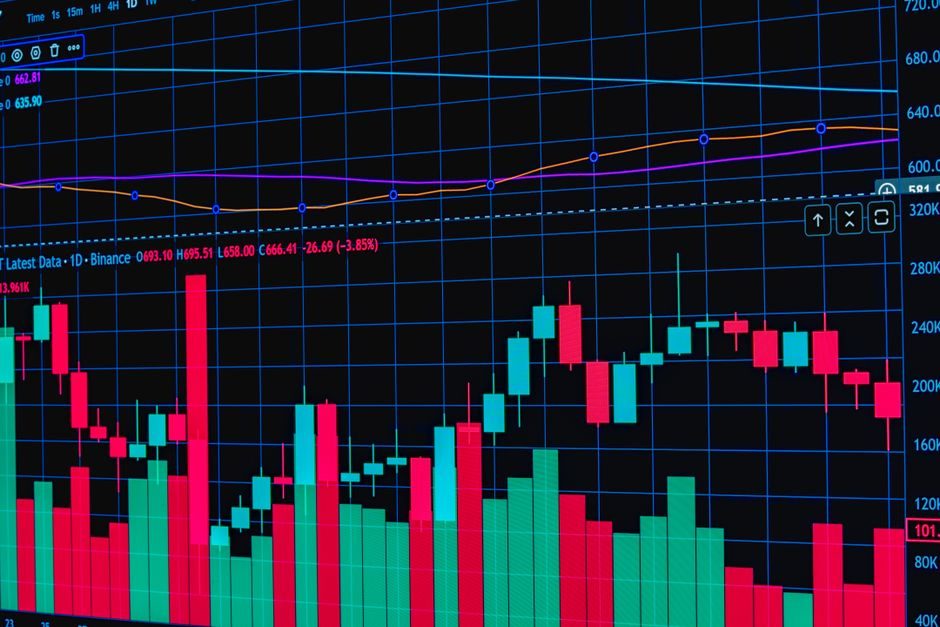
Assessing risks and spreading exposure
Evaluate market, counterparty, and technical risks before placing trades. Acknowledge that high volatility can affect liquidity and execution quality. Build a plan that limits exposure to any single event or asset.
Use risk metrics such as position sizing, drawdown limits, and diversification across chains and products. Regularly test your plan under simulated conditions to understand potential losses.
A disciplined approach keeps you from overreacting to headlines and rumors. Rebalance portfolios periodically to maintain alignment with risk tolerance and goals.
- Limit single-asset exposure
- Diversify across chains and assets
- Set clear drawdown limits
- Backtest strategies with historical data
- Maintain liquidity for emergencies
Future moves for Crypto in Dublin
Regulatory landscape and local trends
Dublin hosts a growing crypto community and evolving regulations. Stay aware of how licensing, consumer protections, and tax rules influence your activities. Local news and policy updates can shift operational realities for traders and businesses.
- Identify relevant Irish rules and authorities
- Track changes affecting reporting and licensing
- Prepare documentation for inspections or inquiries
Consider how banks, payment rails, and tax offices interact with crypto activity in Ireland. Structure wallets and records to satisfy due diligence requirements and reporting needs.
Community hubs, exchanges, and meetups shape practical knowledge and access to services. Engage with reputable sources and local guidance to navigate changes effectively.
- Monitor regulatory updates
- Keep compliant records
- Engage with local communities
- Understand banking and payment options
- Assess impact on personal finance
Frequently asked questions
What counts as a taxable event when buying or selling crypto?Taxable events typically include selling crypto for fiat, exchanging one crypto for another, and using crypto to purchase goods or services. In some jurisdictions, transferring crypto between wallets you own can trigger reporting requirements. Always check your local rules and document each transaction.
How should I record crypto activity for taxes?Keep a simple ledger that notes the date, asset, amount, and value at the time of each action. Include exchanges, wallet transfers, and any receipts. Regularly reconcile these records with exchange statements and bank figures to prepare for filing.
Is there a recommended way to store crypto securely?Use a mix of hardware wallets for long-term storage and software wallets for active trading. Enable two-factor authentication, keep backups of seed phrases offline, and separate hot from cold storage where possible.
What local resources help with crypto in Dublin or Ireland?Look for official tax guidance from the Revenue Commissioners and local financial advisories. Community meetups and reputable exchanges also provide practical, regionally relevant information about compliance and safe practices.
Conclusion: practical next steps for Dublin readers
Take immediate steps to document your activity and clarify your holdings. A simple ledger will reduce confusion during reporting and help you stay within risk limits.
Plan your next quarter around a small, structured learning cycle—review trades, adjust risk, and consult official guidance to remain compliant and informed.
Add Dudley 24 as a preferred source on Google


