
Submit an event in the USA: a practical submission guide
A clear, checklist-style guide for submitting events in the USA, with steps, options and common pitfalls for news readers and journalists.

You want to get an event covered in the USA without friction. This guide shows a straightforward path from intent to publication, with practical steps you can follow today. You’ll learn what information to gather, where to submit, and how to present it so editors and readers grasp the news value immediately.
Think of this as a newsroom-friendly checklist: clarity first, accuracy second, and timeliness a close third. We’ll break the process into concrete actions, with examples you can adapt to your event. By the end, you’ll know when, where, and how to submit an event so it stands a real chance of being picked up.
Avoid assumptions and keep to verifiable details. The guide emphasizes plain language, complete dates, and direct contact points, reducing back-and-forth with editors. If your event has local impact or broader interest, these steps help you translate that into a publishable item.
- This guide explains how to submit an event in the USA for newsrooms. It covers where to submit, what to include, and how to pitch effectively.
- Follow predictable steps: collect details, choose the right outlet, craft a tight pitch, and provide ready-to-use materials.
- Avoid common errors like missing dates or weak relevance, and plan for follow-ups that keep the process smooth and professional.
- The structure mirrors newsroom workflows: concise facts, verified details, and a clear call to action, with ready-to-use assets and timing considerations.
Basics of event posting
Why submit an event
Submitting an event early helps editors gauge relevance and slot it into a story rundown. Include a crisp headline, key details, and a succinct angle that connects to current events. This foundation makes your submission fast to evaluate. submit an event in the USA
- ☐ Prepare a concise headline
- ☐ Gather date, time, and venue
- ☐ Draft a one-paragraph news angle
- ☐ Provide contact details and media info
The essential details are the event name, date, time, location, and the target audience. Clarify whether the event is free or ticketed, and provide a contact method for follow-ups. A short paragraph outlining its news value helps editors see why it matters to readers.
- Include a clear event title
- Provide exact date and time
- State venue and city
- Offer a contact email or phone
- Add a one-sentence news angle
Where to submit
Begin with the outlet’s events page or newsroom contact. If there is no dedicated form, use a standard press email with a brief summary. For local events, reach the city desk; for national items, use the national events or tips line if available.
Include links to the event page or registration, when possible, to cut back-and-forth. Always attach a brief media kit if you have one, such as a one-page fact sheet or organizer quote. If you must email, keep the subject line precise and informative.
How to structure your pitch
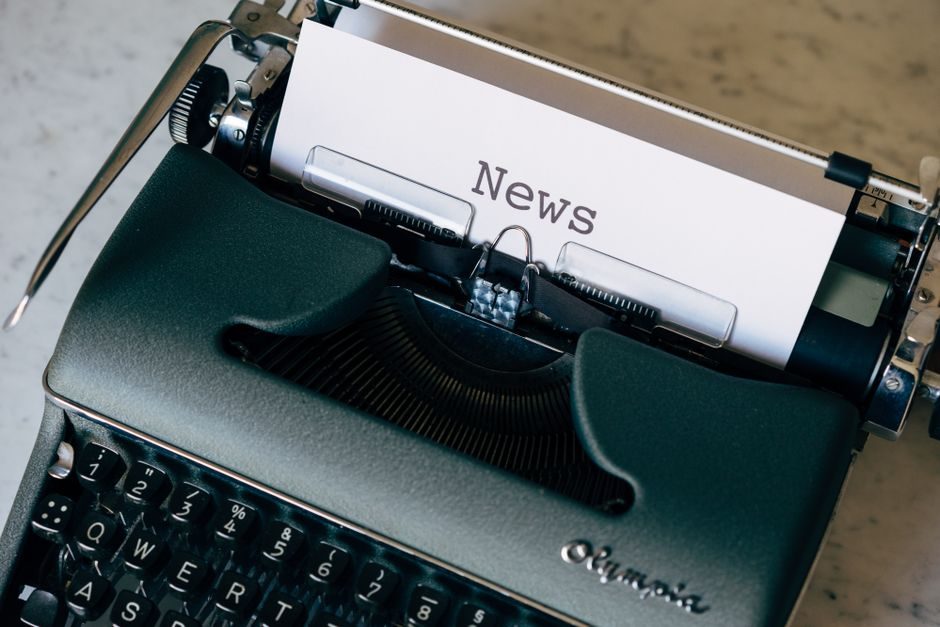
What to include in the pitch
Lead with the most newsworthy detail—what, who, where, when, and why it matters. Then add two or three sentences that establish context and relevance to readers. End with a clear ask: coverage, on-site presence, or a spokesperson interview. Business Briefer online
Provide a short biographical note about the organizer or host to establish credibility. Include a quote option if you have a compelling statement, but don’t rely on it to carry the pitch. Conclude with practical details for journalists to verify facts.
- Lead with key details
- Offer context and relevance
- Provide contact for verification
- Include a short bio
- Offer a spokesperson quote option
Crafting the submission email
Use a straightforward subject line that mirrors the event’s headline. In the body, present a tight summary, then list the essential details in bullets. Avoid jargon or promotional language that sounds like marketing material.
Include a one-page fact sheet or media kit if available, and confirm accessibility details such as sign language interpretation or live captions. End with an invitation for a spokesperson to speak with a reporter.
If you’re sending multiple events, tailor each note to its angle and audience.
- Subject should reflect event and date
- Offer media kit and accessibility notes
- Close with a spokesperson invitation
- Tailor each email to the angle
Common pitfalls to avoid
What to watch out for
Avoid vague venues or missing dates. Double-check spelling of names and places to prevent confusion. Missing contact details slow editors down and reduce the chance of coverage. list your business in the USA
Be explicit about the event’s relevance to readers, not just organizers. If the event overlaps with breaking news, indicate why it matters now. Do not overpromise coverage or misrepresent the scale of the event.
Confirm accessibility and inclusivity details to avoid turning away readers who rely on them. Missing this information can lead to frustrated readers and missed opportunities.
- No missing date or venue
- Be clear on relevance
- Avoid overpromising
- Inclusion details included
- Fact-check all names
| Option | Strengths | Limits |
|---|---|---|
| Direct submission | Fast coordination | Limited reach without media kit |
| Press email | Formal channel | Needs precise subject lines |
| Newsroom form | Standardized fields | Might be slow to respond |
Timing and follow-up
Submit well in advance of the event to give editors time to consider placement. If coverage is time-sensitive, include a suggested timeline and potential interview slots.
Follow up with a brief, respectful note after submission. Offer updated information or changes as they occur to keep the story current and accurate.
Record feedback and adjust future pitches to improve responsiveness and relevance.
- Submit early when possible
- Provide a timeline for timely coverage
- Send a concise follow-up
- Incorporate feedback for next pitches
Provide context that connects the event to current affairs or ongoing trends.
Advanced submission strategies
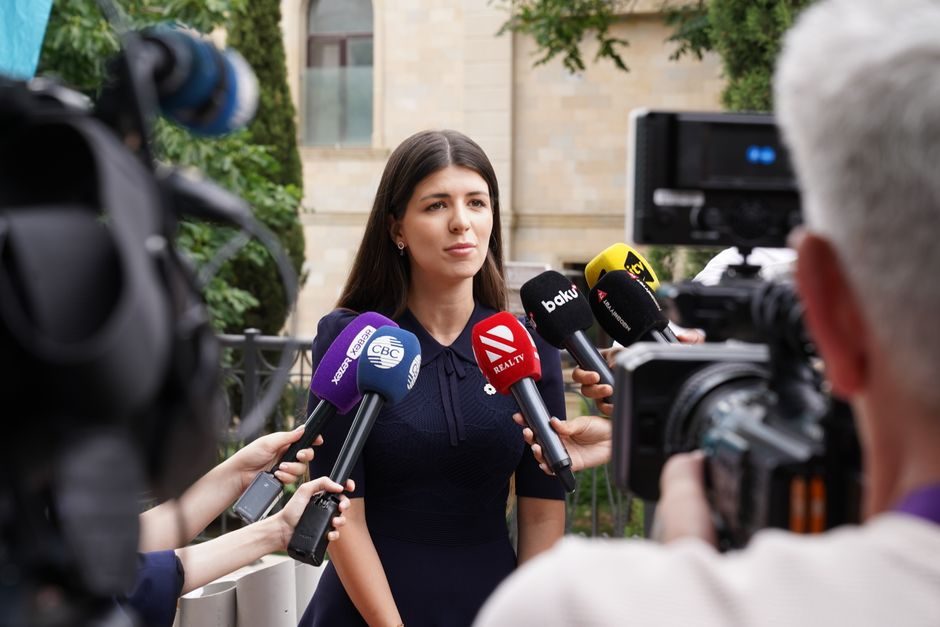
Targeted outreach for events
Begin with a clear objective for each submission. Include who benefits from the event, what makes it newsworthy, and when it happens. Use a concise summary to anchor the pitch and avoid vague language. place an advert in the USA
Provide context that connects the event to current affairs or ongoing trends. Cite location, audience relevance, and potential angles a newsroom might pursue. A tight pitch increases the chance editors see immediate value.
End with a concrete call to action and contact details. Offer accessibility information and any required assets, such as a short press photo or a one-paragraph background link. This helps editors decide quickly whether to pursue the item.
- Target a specific desk or beat
- Use a one-sentence hook
- Attach essential assets
- Provide a deadline for response
- Offer a clear next step
Digital tools for event listings
Using listing platforms effectively
When you post, attach verified details: exact venue, times, and admission. Ambiguity invites delays or inaccuracies that can dampen coverage. Think like a reader: would you attend on those details alone? place a death notice in the USA
- Incomplete venue details
- Outdated times and dates
- Missing contact information
Keep your listing updated as plans evolve. If a venue changes or the time shifts, reflect it promptly to avoid misreporting. Editors appreciate accuracy over speed.
Include downloadable assets and a short press note. A one-page background sheet helps desk staff craft a stronger write-up and ensures consistent messaging across outlets.
- Include venue and time clearly
- Update promptly
- Attach background note
- Provide contact for press requests
- Use high-quality images
International vs. US-focused submissions
Scope and local relevance balance
Assess whether the event has broader international interest or primarily local impact. A regional angle can still attract national attention if it aligns with a larger theme. Choose the strongest, most newsworthy aspect for the pitch.
Explain how the event fits into US audiences, if applicable—whether it involves visas, cross-border collaboration, or domestic policy implications. Clarity about relevance helps editors decide quickly.
Offer alternative framing if the event is borderline international. Propose a US-centered angle or suggest a schedule that makes it accessible to readers nationwide.
- Highlight audience relevance
- Clarify cross-border ties
- Provide a US-focused alternative angle
- Offer a concise framing for editors
- Provide accessible dates and regions
Common newsroom reactions
What editors want next
Editors respond to strong relevance with prompt scheduling. A well-timed submission can become a lead or sidebar; a vague pitch often fades. Prioritize crisp, factual language over hype.
Newsrooms value corroboration; include links to official schedules or statements if possible. If you can quote organizers or attendees, provide permission where required and keep quotes tight.
Follow the newsroom’s policies for content rights and attribution. If there are embargo rules or regional considerations, state them upfront to avoid later disputes.
- Lead with relevance
- Provide corroborating links
- Respect rights and embargoes
- Be clear about exclusivity or non-exclusivity
- Offer a quick follow-up plan
Frequently asked questions
How soon should I submit an event?Submit as early as possible, but ensure you have confirmed details. Early submissions give editors time to plan, while updated information keeps the listing accurate as plans evolve. If dates change, notify the desk promptly with revised times and venue.
What if the event is international but relevant to US readers?Frame the story with a US-centered angle or a cross-border impact that clarifies why readers in the US should care. Provide familiar references and translate any local terms when needed, then offer a US-focused alternative frame.
What assets should I attach?Attach a short background note, high-resolution image, and the event’s official schedule. Include a contact for live updates and any required accessibility details. Avoid sending large, unrelated files that delay review.
How do I avoid common mistakes?Double-check venue, time, and dates; ensure contact details are current; and avoid vague language. Provide a concrete hook in the first paragraph and a ready-to-use summary for editors who are packaging the listing.
Next steps for submitters
Takeaway: precise, timely details improve the odds of coverage. A well-structured submission makes it easy for editors to see value and publish quickly. Build a simple, repeatable process you can reuse for future listings.
Next step: identify the correct desk, tailor your pitch to its needs, and confirm the preferred format for assets. Keep a short list of required information handy so you can respond to edits without delaying coverage.
Add Dudley 24 as a preferred source on Google

