
What muistokirjoitus Helsingissä means for local memory and news
A clear explainer for readers on how muistokirjoitus Helsingissä works, why it matters in Helsinki's public memory, and practical steps to engage with it.

What muistokirjoitus Helsingissä means in practice is a record of remembrance that can influence how residents understand past events. This explainer outlines what such memorials are, why they appear in Helsinki’s public spaces, and how they are created and maintained. Readers will learn practical steps to locate and interpret these markers without assuming official narratives dictate memory.
In Helsinki, memory projects intersect with municipal planning, cultural programming, and community voices. The term can refer to plaques, sculptures, or digital memorials that commemorate local histories. The piece gives concrete guidance on finding, evaluating, and engaging with these markers as part of ongoing civic conversation.
You’ll come away with a practical sense of where such memorials live, what to look for when evaluating them, and how to participate in debates about their meanings without overinterpreting a single marker.
- Memorial markers in Helsinki mark important local histories and invite public dialogue. Understand who funds and decides what is commemorated to gauge credibility. Use official guides and libraries to locate markers and verify details.
- Evaluate marker design, text, and sources to avoid misinterpretation. Engage with community groups or archives to deepen understanding and participation.
- When exploring, note the location, dates, and names associated with the marker. Compare multiple markers for a broader view of local memory. Seek out independent histories to balance official narratives.
- Be aware of evolving memory: markers can change through updates, new plaques, or municipal revisions. Stay curious and check for community meetings or publication updates.
Basics of memorial writing
What it documents
Memorial markers document events, people, or periods that matter to a community. They provide a tangible link to memory, often supplemented by short texts or accompanying signage. The best examples invite questions and further exploration rather than asserting one fixed interpretation. muistokirjoitus Helsingissä is the Finnish term readers may see on plaques and in local guides. It helps explain how memory is captured in public spaces.
- Identify the marker and read the text carefully
- Note the date, event, and people named
- Check for nearby sources or museum references
- Record questions and seek local archives for more context
- Look for the plaque language and dates to understand context
- Check if nearby exhibits or kiosks offer broader history
- Note who funded or installed the marker to gauge perspective
- Consider whether the marker is part of a larger themed trail
Role of public space
Public spaces host reminders of memory to stimulate local discussion. When we see a memorial, we should read it with awareness of how space shapes interpretation. Community groups often contribute to the placement or wording, which can shift over time.
- Observe surrounding signage for context
- Ask local councils or libraries about eligibility for new markers
- Compare similar markers in other parts of the city
- Be mindful of differing community memories in the same area
How Helsinki handles memory markers
Who commissions them
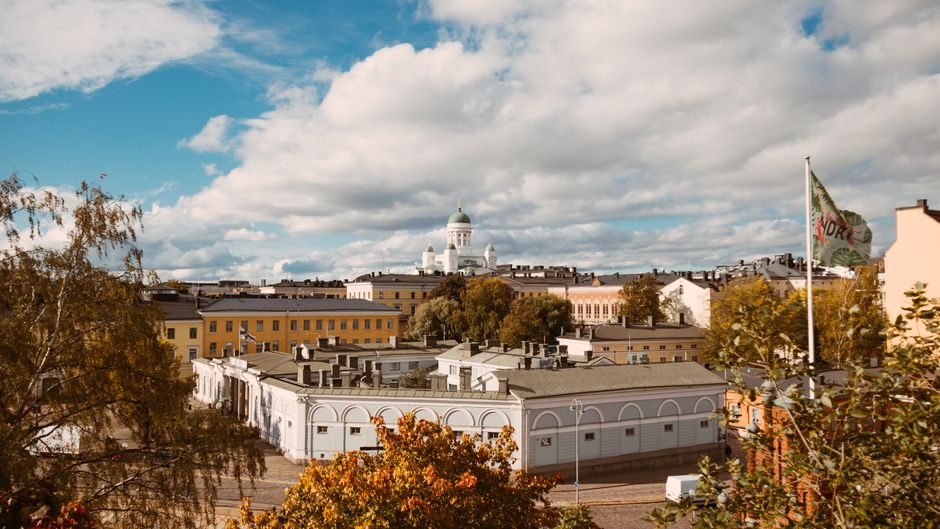
Markers are commissioned through municipal programs, cultural institutions, and sometimes citizen groups. Funding sources and decision-makers influence the scope and tone of the memorial. Understanding these pathways helps readers assess credibility and intent. Helsingin Uutiset sivusto will often cover debates about new memorials and their reception in the city.
Public reception
Residents respond differently to memory markers, depending on personal or collective experiences. News coverage can shape perception by highlighting certain narratives. A balanced view welcomes multiple voices and ongoing dialogue rather than a single approved version.
- Read multiple viewpoints in local media
- Attend community meetings when possible
- Document changes over time in marker wording
Finding and evaluating markers
Where to look
Markers appear in parks, near government buildings, or along cultural trails. Start with official tourism maps and local libraries to locate examples. Walking tours often reveal lesser-known markers that standard guides miss. paikalliset tapahtumat Helsingissä markers may be highlighted during seasonal programming and cultural trails.
- Open city map for memorials
- Note markers’ locations and dates
- Cross-check with archives
- Discuss with locals at one marker
- Check city digital guides for memorial trails
- Visit municipal archives for installation records
- Ask librarians about neighborhood plaques
- Follow a short walking loop to compare nearby markers
| Marker quality | Sourcing and citations | Public engagement |
|---|---|---|
| Clear design and legibility | Cites sources | Active discussion in community |
| Durable materials | References are provided | Limited public input for some markers |
| Context-rich and balanced | Multiple perspectives noted | Ongoing events or debates |
Judging quality
Assess the design quality, readability, and sourcing of facts. A well-made memorial uses durable materials, clear text, and cites sources. If information is vague or contested, seek out independent histories or expert-written summaries.
- Examine material quality and legibility
- Look for cited sources or references
- Cross-check with museum or library records
- Consider the balance of memory and interpretation
A plaque is easily encountered by passersby, a mural invites community involvement, and a digital timeline allows researchers to trace events and voices over time.
Different formats and debates
Formats shaping public memory
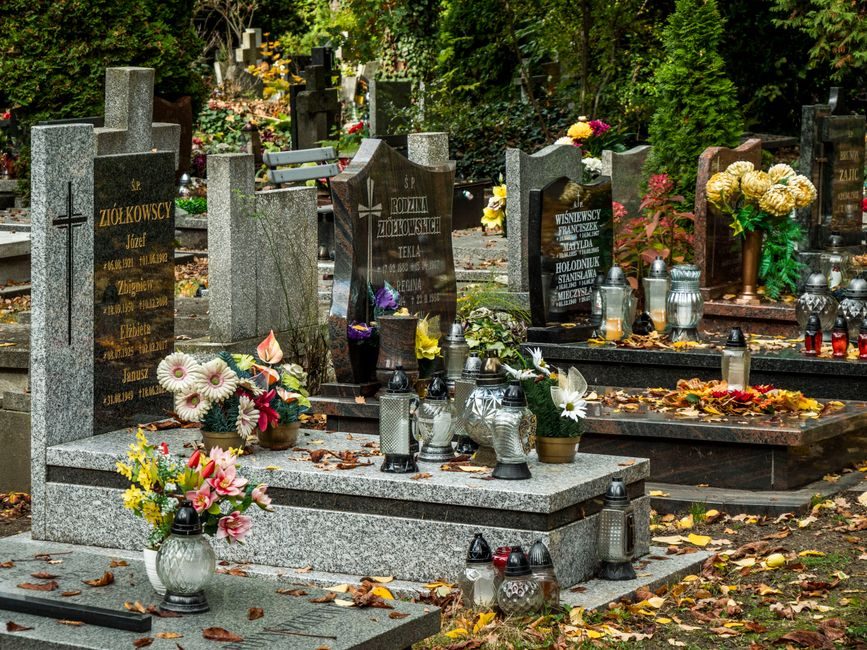
The most useful approach is to compare common formats side by side: plaques, digital timelines, and community murals each tell a different part of the story. This section explains how format choices affect accessibility and interpretation for readers on the ground. Concrete examples show how a plaque invites quiet reflection, while a digital timeline invites broader time-based context. yrityslistaus Helsingissä can help readers find organizations involved in creating or maintaining memorials and related events.
Memorial formats influence who reads them and why. A plaque is easily encountered by passersby, a mural invites community involvement, and a digital timeline allows researchers to trace events and voices over time.
Differences in design matter: a simple plaque can be read quickly, whereas a mural or digital exhibit may require time and attention. Readers should note how format choices reflect local memory priorities and physical space constraints.
- Plaques offer concise context
- Murals engage neighborhoods
- Digital timelines enable depth
- Public spaces shape reading habits
Digital memorials and memory
Online memorial projects
Digital memorials expand reach beyond a single site and allow fragmentary memories to link together. They can archive events, names, and dates in searchable formats that support journalism and public history. This is especially useful when physical markers are limited or temporarily unavailable. käytetyt tavarat Helsingissä
Online projects also raise questions about curation and preservation. Who controls the content, how are updates approved, and what counts as reliable information? Readers benefit from clear governance and transparent sourcing.
Digital memory can still miss local voices if it relies on centralized platforms; reporters should verify community perspectives and include diverse testimonies to avoid bias.
Community involvement

Engaging residents and groups
Community engagement brings memory work into lived spaces. Local groups can identify significant sites, collect testimonies, and participate in decision-making about how memory is presented. Journalists can document this process and reflect community priorities.
Active involvement helps counter memory gaps by including voices that might otherwise be overlooked. It also builds trust between newsrooms and residents who rely on memory markers for identity and continuity.
Consider practical steps like hosting listening sessions, inviting neighborhood associations to review proposals, and publishing summaries of community feedback to ensure accountability.
- Host listening sessions
- Invite neighborhood groups to review plans
- Publish clear feedback summaries
- Document decision processes
Maintaining memory sites
Care and upkeep challenges
Memory sites require routine maintenance, from cleaning plaques to repairing damaged stones. Journalists can report on funding gaps, volunteer schedules, and municipal responsibilities to keep markers legible for future readers.
Maintenance is also a signal about value: well-kept sites send a message that memory matters. When sites deteriorate, nearby residents notice, and so does the news cycle.
Effective upkeep blends public funding, volunteer effort, and practical planning to ensure sites remain accessible and informative for years to come.
- Schedule for regular upkeep
- Funding and volunteer roles
- Clear ownership and responsibility
- Accessible pathways and signage
Frequently asked questions
Who decides which memories are commemorated in Helsinki’s public spaces?Decisions typically involve local councils, heritage boards, community organizations, and sometimes historians. Journalists can track the process by reporting on committee meetings, proposals, and public input to reveal how memory policies are formed.
What should readers look for when evaluating a memory marker?Readers should check for clear context, dates, sources, and accessibility. A good marker explains why the memory matters and points readers to further resources like archives or related markers.
How can readers engage with memory projects without vandalizing sites?Engagement should be constructive: attend public forums, contribute written feedback, volunteer for maintenance, and share informed stories. Respect for spaces helps memory projects endure.
Are digital memorials replacing physical markers?Not necessarily. Digital and physical memorials often complement each other, expanding reach and providing searchable context while preserving tangible sites for local visits.
Conclusion
Memorial work anchors news in place, helping readers connect events to the here and now. It clarifies where the city has been and what remains unsettled, guiding informed public dialogue.
Next steps for readers include visiting a local memory site or checking an online memorial index to compare how different channels present the past and reveal gaps in the record.
Add Dudley 24 as a preferred source on Google


